

In 1979, the US Supreme Court affirmed that “a person has no legitimate expectation of privacy in information he voluntarily turns over to third parties.”
This ruling made sense in 1979. If you reported a suspicious transaction to your bank, the bank could share it with authorities. If you wrote a letter to a friend, you couldn’t claim privacy once they had it. You chose to share. You accepted the consequences.
But in 2026, this principle has become the legal foundation for the largest transfer of wealth and power in human history.
In this article, we’ll explore:
Why data companies had no alternative to trading data
How micropayments could offer an alternative
The effects of a public data commodity ledger
The impact of making the user a data controller
The World’s Most Valuable Resource
The Economist put it simply:
“The world’s most valuable resource is no longer oil, but data.”
And yet, we don’t own it…
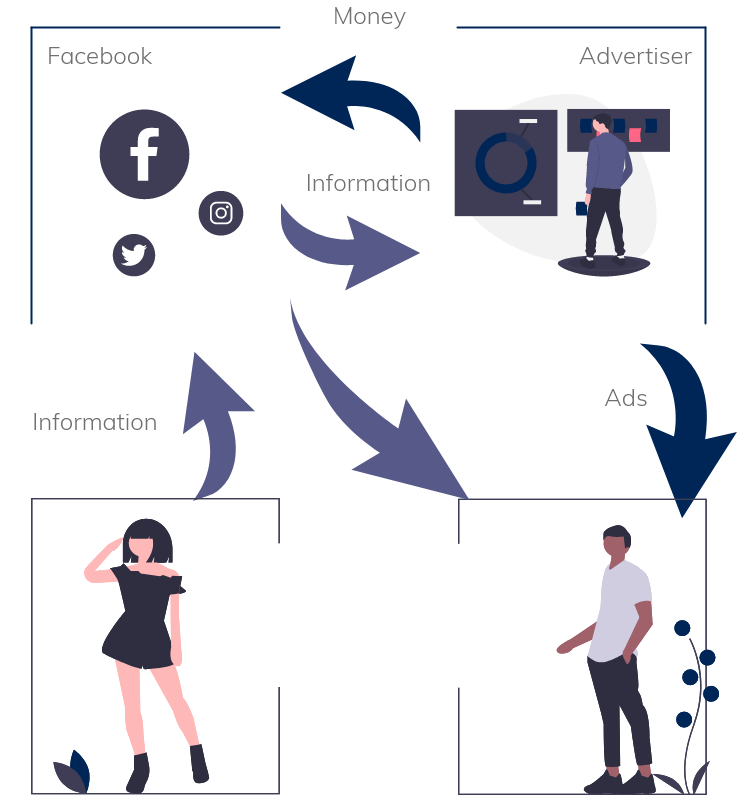
1.8 billion people use Gmail. Every email you write, every search you make, every attachment you send - it all belongs to Google. You’re not the customer. You’re the product. The actual customers are advertisers buying access to your attention, your behaviour, your life.
Facebook’s Cambridge Analytica scandal revealed how 87 million user profiles were harvested and weaponised for political manipulation. Mark Zuckerberg stood before Congress and promised change. At the 2019 F8 Conference, he declared: “The future is private.”
Seven years later, Meta’s business model hasn’t fundamentally changed. Privacy remained a marketing slogan, not a product feature.
We’re Not Choosing This. We Have No Choice.
“In today’s digital economy, we have little choice but to use services at the expense of privacy.”
Want to apply for a job? You need a LinkedIn profile.
Want to communicate with colleagues? You need Slack, Teams, or email.
Want to run a business? You need cloud services, CRM tools, payment processors.
Want to participate in modern society? You need to hand over your data to third parties.
The 1979 Supreme Court ruling assumed voluntary exchange. But when every service requires you to “voluntarily” surrender your data just to function in society, is it really voluntary?
We’re not choosing between privacy and convenience. We’re choosing between privacy and participation.
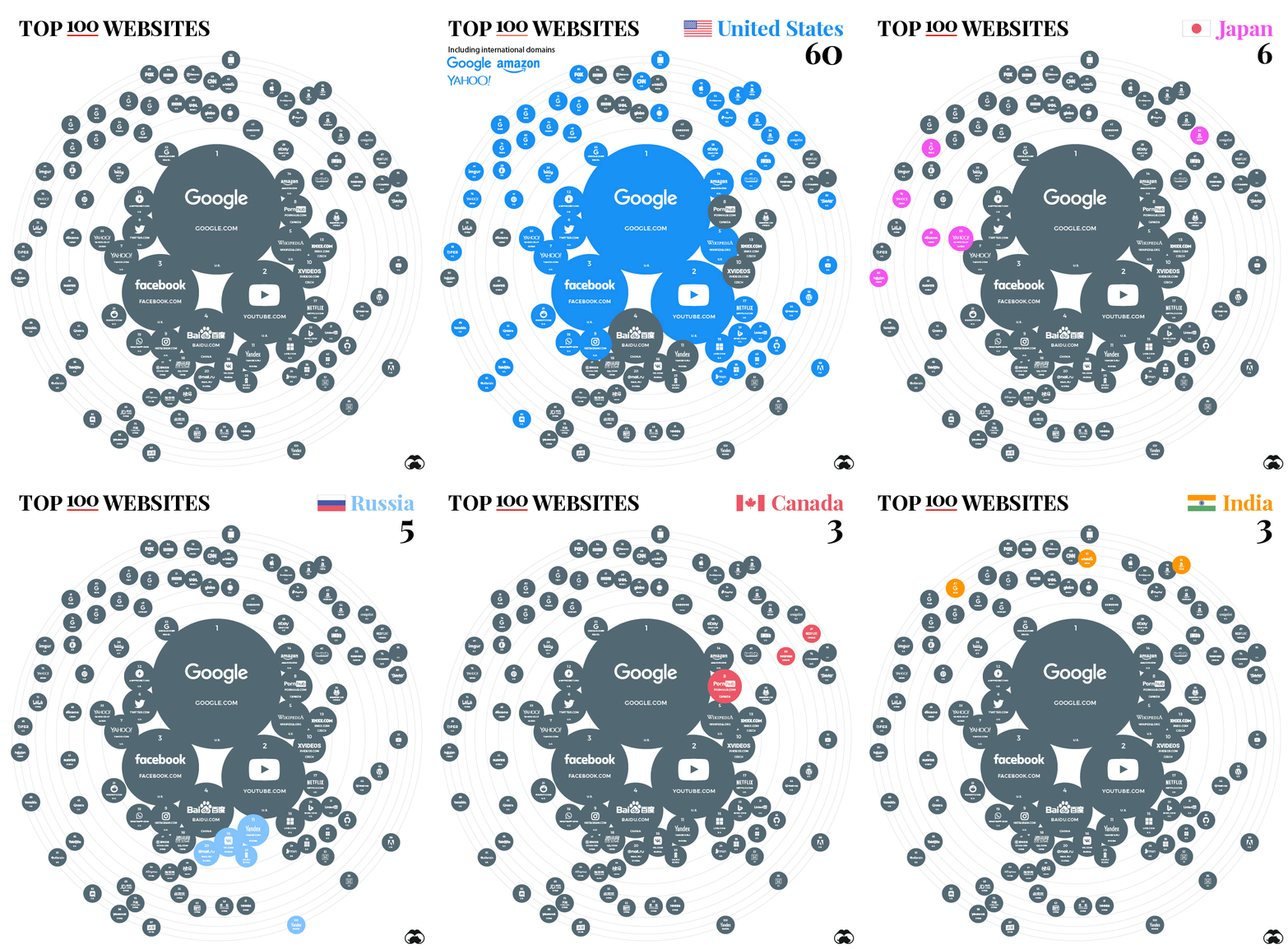
The Economic Trap That Made This Inevitable
Here’s what most people don’t understand: This wasn’t always inevitable.
In the early 1990s, Tim Berners-Lee envisioned a different internet. One where users could make tiny payments for services - micropayments - instead of trading their privacy for “free” access.
He even reserved HTTP error code 402: “Payment Required.” It’s been sitting there, unused, for over 30 years.
Why didn’t micropayments happen?
Transaction fees destroyed the economics.
Stripe charges 2.9% + €0.30 per transaction.
PayPal charges 3.4% + €0.35.
Adyen charges similar rates.
If you want to charge €0.05 per article, the payment processor charges €0.35 in fees. You lose money on every transaction.
So companies had two choices:
Charge enough to cover fees (minimum €5-10 transactions)
Make it “free” and sell user data instead
They chose #2. Not because they’re evil. Because the economics of payment processing made micropayments impossible.
And once they chose data-selling as the business model, the incentives changed forever. The more data they collect, the more valuable they become. The longer they keep you on the platform, the more they know. The harder it is to leave, the more locked-in you are.
Winner takes all. And the winners are the platforms, not the users.
The Lock-In Effect
Switching costs are massive when platforms own your data.
Try leaving Facebook. Your photos, your connections, your memories - locked in their system. Sure, you can “download your data,” but good luck importing it anywhere useful.
Try leaving Google. Your emails, your calendar, your documents, your entire digital life - built on their infrastructure.
Try leaving Apple’s ecosystem. Your photos, your messages, your purchases - designed to make leaving painful.
This isn’t by accident. Data ownership creates a competitive advantage. Not through better service, but through higher switching costs.
The platform that owns your data owns your lock-in.
Error 402: The Internet’s Most Forgotten Standard
Everyone knows Error 404: Page Not Found.
But Tim Berners-Lee predicted we would see Error 402: Payment Required just as often.
In 1992, when he designed the HTTP protocol that powers the web, he reserved error code 402 for your future digital payments. He envisioned an internet where users could pay tiny amounts - micropayments - for individual services, articles, videos, or features.
Pay €0.05 to read an article. Pay €0.50 to skip YouTube ads. Pay €0.0001 to send a message.
Instead of building your entire business on advertising and data collection, you could charge users directly. Tiny amounts. Friction-free. Voluntary.
It was a beautiful vision.
It never happened.
For 34 years, Error 402 has sat there, unused, waiting for technology to catch up to Tim’s vision.
What Micropayments Would Enable
Let’s be specific about what becomes possible when transaction fees drop to nearly zero.
The Free Washing Machine
A washing machine vendor offers you a deal: Take the machine for free. Pay €0.50 every time you press start.
Why would they do this?
Upfront cost barrier gone: You don’t need €800 to buy a machine
Predictable revenue: They earn money every wash cycle
Maintenance included: If the machine breaks, they fix it (it’s their revenue source)
Alignment of incentives: They want it to last forever, not break after warranty
This only works if charging €0.50 per use costs them nothing in fees.
The Journalist’s Tip Jar
You read an article that changed your thinking. You want to thank the author.
Pay €0.05 directly to the journalist.
Not to the platform. Not split with advertisers. Directly to the writer.
Multiply that by 10,000 readers, and a single article earns €500. Not from ads. Not from subscriptions. From readers who found value.
Website Uptime Monitoring
Your website needs to be monitored every 5 minutes. That’s 288 checks per day.
Pay €0.01 per check. €2.88 per day. €87 per month.
Or bundle it: subscribe to unlimited checks for €100/month.
The point isn’t which option is better. The point is, you have a choice when micropayments work.
Messaging Without Surveillance
WhatsApp is “free.” How does Facebook make money?
Your data.
But what if messaging worked differently? Pay €0.0001 per message. That’s €0.10 for 1,000 messages - maybe €1-2 per month for most users.
Split the revenue: half to the app developer, half to data centres covering infrastructure costs.
No ads. No tracking. No data mining. Just messaging.
The Creator Economy That Could Have Been
In 2026, the creator economy is massive. Billions flow through Patreon, Substack, YouTube memberships, OnlyFans, and TikTok creator funds.
But it’s built on platforms that take 30-50% cuts and control access to your audience.
Micropayments would have changed everything:
YouTube ad-free: Pay €0.10 per video to skip ads
User pays €3-5/month for typical viewing
Creator earns 10x more than ad revenue
No tracking needed
Spotify without ads: Pay €0.005 per song
User pays €5-10/month
Artists earn directly per play
No algorithmic gatekeepers
Newsletter tips: Pay €0.25 per post you love
Readers reward value directly
Writers aren’t forced into paywalls
Quality content earns more
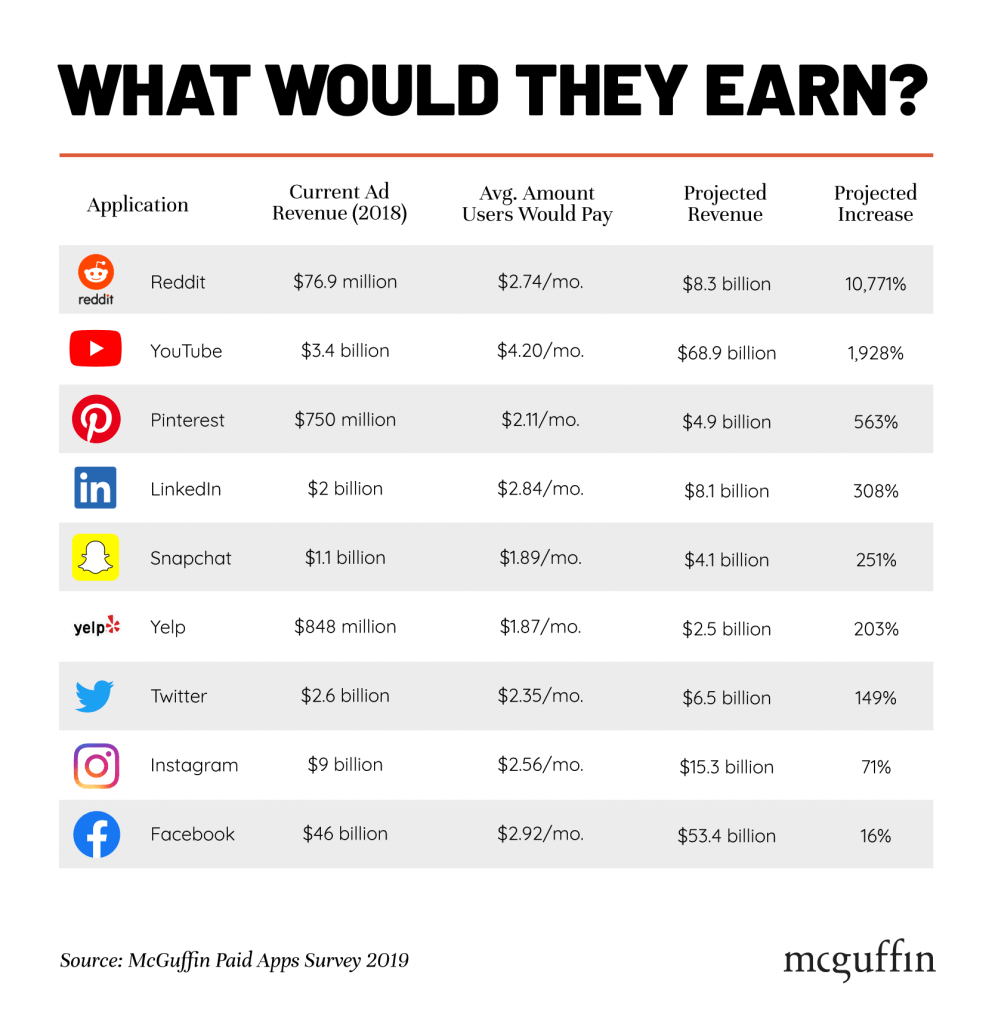
A McGuffin survey suggested YouTube could generate 2000% more revenue through subscription-based micropayment models compared to advertising.
But none of this works when transaction fees eat 30-40% of every payment.
What changed? Distributed infrastructure matured
For 30 years, Error 402 collected dust because payment processors made micropayments economically impossible.
So what changed?
Distributed infrastructure reduced transaction fees to near zero.
Not through traditional payment rails (Visa, Mastercard, PayPal).
Through a different architecture entirely. One where:
No single company controls the payment network
Transaction fees are fractions of a cent
Micropayments finally make economic sense
Data ownership can shift back to users
This is what Tim Berners-Lee envisioned in 1992. Technology finally caught up.
This infrastructure is a unique type of blockchain architecture. And it’s already running and ready to be used by my company mintBlue.
How It Works (Without the Jargon)
Here’s what most people don’t understand:
The problem isn’t technology. It’s architecture.
To be clear: this isn’t a cryptocurrency project. No tokens. No speculation. Just infrastructure. The underlying technology is decentralised, but the approach is engineering-first, not ideology-first.
The current internet is built on a client-server model:
You (client) connect to Facebook’s servers
Your data lives on their infrastructure
They control access, rules, and pricing
You have to trust them not to misuse it
This architecture creates power centralisation. Whoever owns the servers owns the data. Whoever owns the data owns the lock-in.
This compliance infrastructure flips this model:
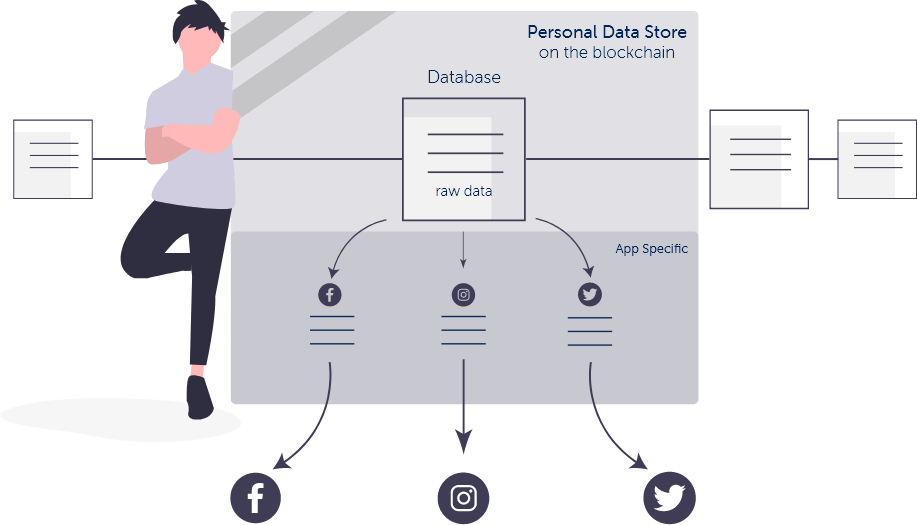
Distributed infrastructure where your data isn’t stored on a company’s servers - it’s stored on a network of independent data centers that compete to verify and host information.
Think of it like this:
Current model: Your photos are on Google’s servers. Google controls them.
New model: Your photos are stored across a group of independent data centres, free to participate. You control them. Companies can request access. You decide.
No single company owns the infrastructure. No single company can manipulate, delete, or lock you in.
The Three Layers of Security
“But if my data is distributed across hundreds of places, isn’t that less secure?”
Actually, more secure. Here’s why:
Layer 1: Economic Competition Prevents Fraud
Data centres compete economically to verify uploads and store data.
If one data centre tries to upload false information or manipulate records, the others reject it. There’s an economic incentive to maintain integrity - data centres that cheat lose revenue.
This isn’t trust-based. It’s incentive-based. The architecture makes honesty more profitable than fraud, and their business model is completely separate from what they store/process, unlike with major cloud providers like Google.
Layer 2: Encryption Protects Storage
Standard database encryption protects your stored data. Cryptographic functions enable (multi-party) access control and blind verification, like zero-knowledge proofs, allowing you to prove certain information without revealing the raw data.
For example: ‘I paid for the potatoes I bought, without revealing how many potatoes I bought and what the price was’.
Layer 3: Data Fragmentation Makes Breaches Useless
Here’s the clever part:
Your data isn’t stored in a single file on a single server. It’s fragmented into hundreds of pieces, scattered across different data centres.
Even if a data centre is breached and attackers steal data, they get random fragments. Useless without the other 99 pieces stored elsewhere.
You need access credentials to reconstruct the complete file. Attackers don’t have that.
Internet Era vs. Data Sovereignty Era
Let’s make the comparison explicit:
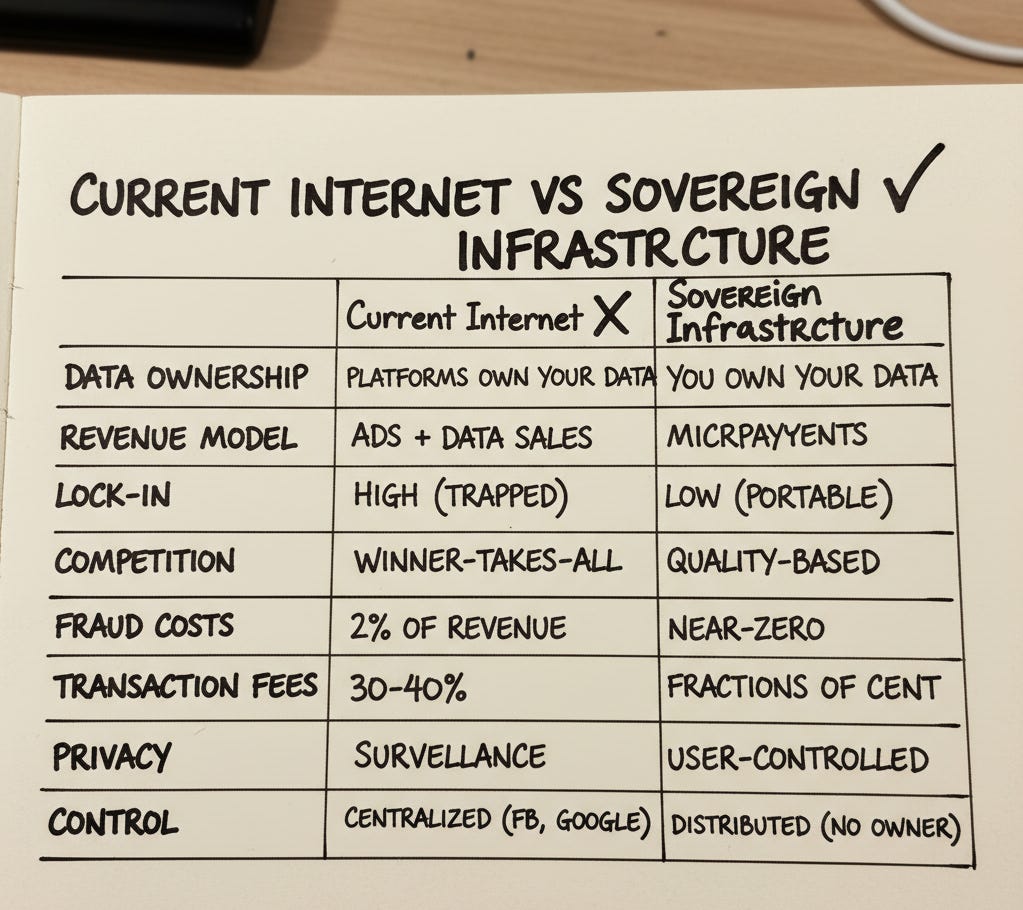
The fundamental shift: Users become data controllers. Companies become service providers.
What This Enables
The Metanet makes three things possible that were impossible before:
1. Private Data Storage Under User Control
Your data lives on a distributed infrastructure you control. Companies request access. You decide permissions. You can revoke anytime.
This isn’t a privacy policy promise. It’s an architectural reality.
2. Digital Identity Without Surveillance
Prove who you are without revealing unnecessary information.
Need to prove you’re over 18? Share that fact—not your birthdate, address, or ID number.
Need to prove creditworthiness? Share your score—not your purchase history.
Biometric encryption makes this possible. You prove attributes without exposing the underlying data.
3. Business Models That Were Previously Impossible
When transaction fees drop to near-zero, business models that made no sense suddenly become viable:
Pay-per-use washing machines
Micropayment journalism
Ad-free subscriptions at €0.10/video
Direct creator payments at €0.05/post
Companies that couldn’t exist in a high-fee world can now compete.
Why Companies Would Participate
At the moment, organisations struggle with data controller issues. Privacy laws and technical standards make it hard for organisations to exchange data easily. Another significant problem is fraud due to operating with multiple unverified accounting books.
Free Flow of Data
The proposed solution: make the creator the data controller, not the organisation. This way, organisations can request access to read consumer data and data from other companies without actually owning it.
New Business Models
The main benefit of this open standard would be the creation of new business models. Innovative services we currently only see within ecosystem companies—like Alphabet’s integration of Android, YouTube, and Google—could become standard as data moves more freely between organisations (with user permission).
Reduce Fraud
Research shows organisations allocate around 2% of total revenue to fraud prevention. The Metanet solves this by enabling stakeholders to work in the same accounting system while maintaining privacy. You can’t falsify a record that hundreds of independent parties verify simultaneously.
Enterprise and Government Implications
For government and enterprise organisations, the implications go further. Immutable audit trails that satisfy regulators. Data sharing between agencies without surrendering control. Compliance-ready infrastructure where every action is verifiable, every record is timestamped, and every permission is logged.
Banks, regulators, and financial institutions can operate in shared accounting systems while each maintains sovereignty over their own data. Government agencies can collaborate across jurisdictions without creating new data silos or privacy risks. Supply chains can prove provenance without exposing competitive information.
This isn’t about replacing existing systems. It’s about adding a layer that enables multi-stakeholder collaboration without the trust issues that currently make it impractical.
The Vision Forward
Seven years ago, when I first wrote about data ownership and micropayments, it felt like a technical curiosity. An interesting idea for the future.
In 2026, it’s a geopolitical imperative.
Europe depends on US cloud infrastructure for 90% of its digital operations. Every European email, every business document, every government file, hosted on servers subject to the US CLOUD Act. No American company can guarantee that the US government won’t access your data. That’s not a conspiracy theory. It’s the law.
Think of distributed infrastructure like HTTPS didn’t replace HTTP, it added security. This technology adds data ownership. A sovereignty layer for the internet.
The question is no longer whether this technology works. It does. The question is whether Europe will build on it before the current crisis forces its hand.
The Choice Ahead
We’re at a crossroads, and for Europe, the stakes have never been higher.
In December 2025, the Trump administration threatened “every tool at its disposal” against EU tech regulation. Named European companies - Spotify, SAP, Siemens - as potential retaliation targets. Banned EU regulators from entering the United States.
The message is clear: digital dependence is political vulnerability.
Europe has two paths forward.
Path one: Continue building on American platforms. Accept that 90% of your cloud infrastructure is subject to foreign law. Accept that trade negotiations can be weaponised against your digital economy. Accept that your citizens’ data is one executive order away from compromise.
Path two: Build sovereign digital infrastructure. Not autarky, but sovereignty. As Gaia-X’s CTO puts it: “Sovereignty doesn’t mean you do everything yourself. It means for critical things, you have strategic options.”
Distributed infrastructure gives Europe those options. Data ownership enforced by architecture, not by policy promises that can be revoked. Micropayments that don’t flow through American payment processors. Digital identity that doesn’t depend on foreign gatekeepers.
For over 30 years, Error 402 sat unused in the HTTP protocol, waiting for technology to catch up to Tim Berners-Lee’s vision of an internet where users could pay directly rather than pay with their data.
Technology caught up.
The infrastructure exists. The economics work. The incentives finally align.
For Europe, this is no longer a theoretical debate about privacy or a technical discussion about transaction fees. It’s a question of strategic autonomy in an increasingly hostile digital landscape.
The 1979 Supreme Court ruling that opened this article was American law, applied to American citizens. But through the architecture of the internet we built, it became the de facto standard worldwide.
We can build a different architecture. We can choose different defaults.
The question for Europe is simple: Will you own your digital future, or will someone else?
FAQ
What is a distributed data infrastructure?
An architecture layer for the internet that enables tracking, monetizing, and controlling data in a peer-to-peer manner. Think of it as adding data ownership to the internet, the same way HTTPS added security.
Is this a cryptocurrency or blockchain project?
No. This uses distributed ledger technology, but it’s not a cryptocurrency project. No tokens, no speculation, no ideology. Just engineering-focused infrastructure for data ownership and micropayments.
How is this different from other decentralised projects?
Most decentralised projects focus on tokens and speculation. This approach focuses on practical infrastructure: micropayments that actually work, data ownership that’s architecturally enforced, and business models that don’t require surveillance.
What about European alternatives like Gaia-X?
Gaia-X is a governance framework. Important for setting standards and rules. But frameworks need infrastructure to run on. A distributed data infrastructure provides the technical layer that makes sovereignty architecturally enforceable, rather than policy-dependent.
How do micropayments work?
Transaction fees on distributed infrastructure are fractions of a cent, making it economically viable to charge tiny amounts (€0.01, €0.001, even smaller). This enables business models that were impossible when payment processors took €0.30+ per transaction.
Originally published December 2019. Updated January 2026.
Since this original post, I decided to help drive this change and built mintBlue, a data collaboration infrastructure. While we are still early, our technology is currently in use in the Enterprise and Government context, and we have not been able to truly drive adoption for consumer data ownership applications, but we won’t give up; this is too important.
Niels van den Bergh
David Siegal wrote about this in 2009 (Pull). I've been working on a solution since around 2016, when I met him and then read the book. I hope you're right that 2026 is the year for it. It's been a long time coming!